
BAORESS, Legacy of Compassion: When Leadership Transcends Government Funding – By Irewolede Victor
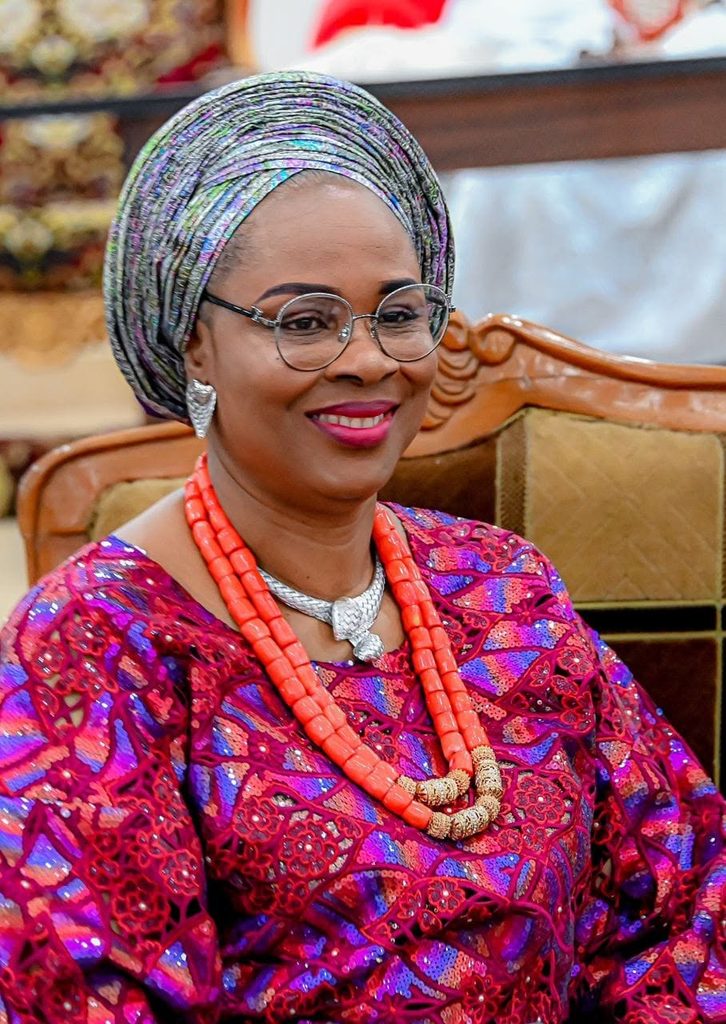
The First Lady of Ekiti State, H.E. Dr. Olayemi Oyebanji, fondly celebrated as BAORESS, is a woman whose heart for humanity reflects a profound commitment to the values of compassion, service and selfless leadership. Like a woman after God’s own heart, she conceived a vision through which the lives of some of the most vulnerable members of society could be touched, transformed and given renewed hope.
Today, that vision has evolved into a remarkable reality through the WAOH Foundation — Widows and Orphans Hospitality Foundation.
Among the various humanitarian and empowerment initiatives associated with the First Lady, WAOH stands out as an extraordinary demonstration of what purposeful compassion can accomplish.


The foundation, which is purely non-governmental and privately funded through partnerships with corporate organisations and other benevolent individuals, has provided a lifeline for 50 carefully selected orphans whose educational journeys are being supported from elementary education through tertiary institution.
For children whose circumstances could easily have condemned them to uncertainty, deprivation and a bleak future, the intervention has become a beacon of hope.
These young beneficiaries have received scholarships, school materials, financial assistance and individual support for their upkeep, thereby creating an environment in which they can pursue their education with dignity and confidence.
The significance of such an intervention cannot be measured merely in monetary terms. It is about restoring hope where despair once prevailed and giving children the opportunity to dream again.
The joy becomes even more compelling as some of these beneficiaries are now progressing into secondary school. Their transition is a powerful testimony that genuine humanitarian intervention can alter the trajectory of a child’s life.

What might have remained a painful story of vulnerability is gradually becoming a narrative of opportunity, education and fulfilment.
But BAORESS’s humanitarian footprint does not end with the WAOH Foundation.
Her influence has also contributed to the facilitation of a dialysis centre at the Ekiti State University Teaching Hospital, where three dialysis machines were presented to support patients requiring life-saving renal care.
The centre is housed in a dedicated and well-equipped facility, while a heavy-duty generator was donated through the charitable intervention of the General Overseer of the Redeemed Christian Church of God, Pastor Enoch Adejare Adeboye, and his wife, Pastor Mrs Foluke Adeboye.
These interventions highlight the distinction between leadership and the mere occupancy of office.
There are interventions funded from government budgets, and there are initiatives driven by personal conviction, compassion, partnerships and a genuine desire to serve humanity.
WAOH belongs firmly to the latter category. Its impact demonstrates that the office of the First Lady can become a powerful platform for humanitarian service without necessarily depending on government appropriations.
Indeed, it is worthy of emphasis that the WAOH Foundation is privately funded through partnerships with corporate organisations and other stakeholders. This makes its achievements particularly significant, as they demonstrate the power of collaboration, philanthropy and responsible leadership in addressing social challenges.
When history eventually records the story of the administration of Governor Biodun Abayomi Oyebanji and his wife, Dr. Olayemi Oyebanji, the narrative should not be restricted to government projects and official expenditures.
ALSO READ: ATOF Commemorates 30 Years of Ekiti State Creation
It should also capture the lives touched, the hopeless given hope, the vulnerable empowered, the children whose educational dreams were rescued, and the patients whose access to critical healthcare was strengthened.
The names of Governor Biodun Abayomi Oyebanji and his wife will undoubtedly form part of the historical records of contemporary Ekiti State.
Their legacy should therefore be viewed not merely through the lens of political office, but also through the enduring footprints of service, compassion and development.
Government tenure is temporary, but the positive impact of purposeful leadership can become a permanent inheritance for the people.
When the Oyebanjis eventually leave office, the roads, buildings, institutions and other physical developments may tell part of the story. But the lives transformed through compassion will tell an even more profound story.
The orphan who receives an education, the vulnerable child who discovers a future, the patient who gains access to life-saving care, and the family whose burden is eased are all living monuments to a leadership that chose to make humanity its priority.
May history be kind to Governor Biodun Abayomi Oyebanji and H.E. Dr. Olayemi Oyebanji, and may the enduring fruits of their service continue to speak for them long after their tenure in office.